
Things to Do in Nara, Japan: A Complete Guide
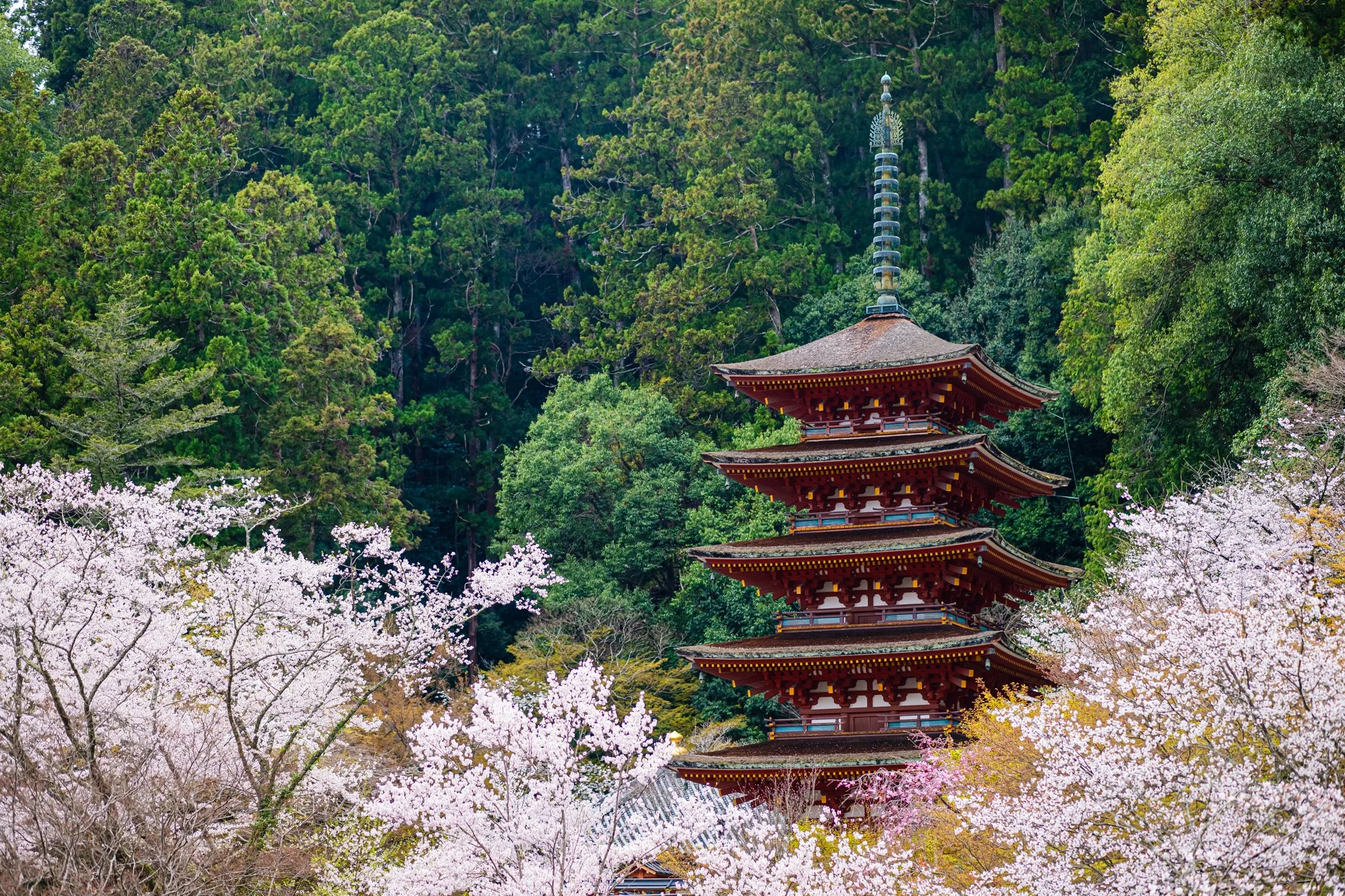
The best things to do in Nara include Todaiji Temple and the Great Buddha, the free-roaming deer park, traditional craft workshops in sumi ink and sake, and rare katana forging and martial arts access through Kage Media. Most major sites are within walking distance of Kintetsu Nara Station and accessible as a day trip from Kyoto in 35 minutes or Osaka in 40 minutes.
💡 Key Takeaways
Nara is 35 minutes from Osaka and 45 minutes from Kyoto by direct rail, making it one of the easiest day trips in Japan
Most visitors see only Todaiji and the deer park; the craft traditions and martial arts access in Nara Prefecture run much deeper
The best things to do in Nara split into two categories: the famous sites anyone can visit, and the rare access that requires arrangement in advance
For katana forging, Iaido, and related experiences, inquire through Kage Media: these sessions run in small groups and book out weeks ahead
Nara was Japan's first permanent capital. For 75 years in the eighth century, it was the political and cultural centre of the entire archipelago, the place where the court demanded ink, lacquerware, steel and scholarship of the highest possible standard. Most of what came out of that period is still here. The temples are among the oldest standing wooden structures in the world. The craft workshops, in many cases, have been operating continuously since then.
Most visitors arrive on a day trip, spend two hours with the deer, walk through Todaiji, and leave on the next train to Kyoto. That version of Nara is worth doing, but it covers a small fraction of what the city and prefecture actually hold.
This guide covers the full picture: what to see, where to go, how long you actually need, and the experiences in Nara that most itineraries never reach.
The Best Temples and Shrines in Nara
Todaiji, Kasuga Taisha, and the twin temples at Nishinokyo are the three sites worth prioritising. All are within a half-day of the city centre, and each one is among the oldest surviving structures of its type in Japan.
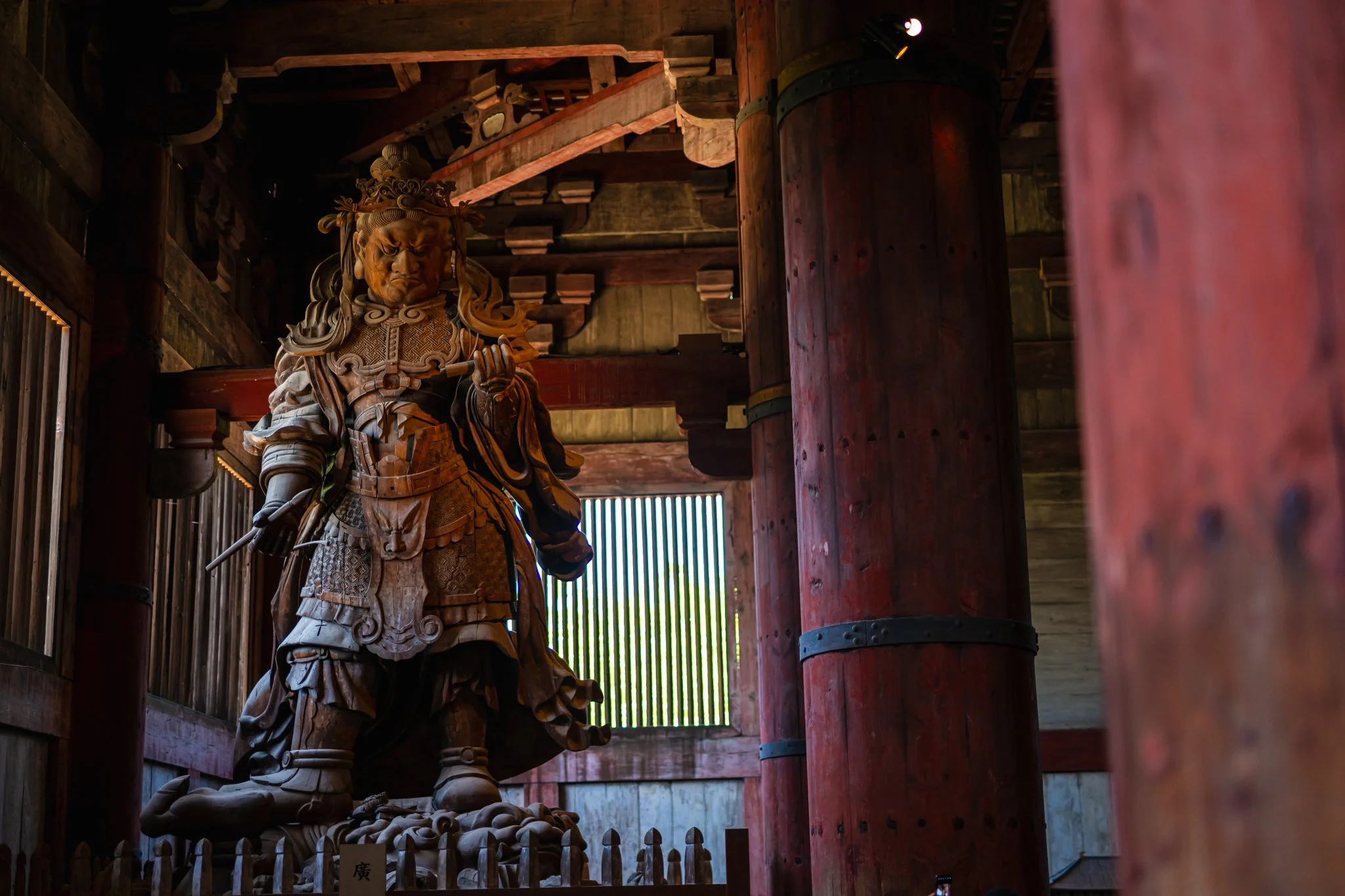
Todaiji Temple
The Great Buddha Hall at Todaiji is the largest wooden building in the world. The bronze Daibutsu inside, cast in 752 AD, stands 15 metres tall. These are facts that read as ordinary until you are standing in the room. Entry is ¥1,000 for adults. The complex opens at 7:30am and the early hours are noticeably quieter than midday.
The grounds include more than the main hall. Nigatsu-do, a sub-temple on the hillside above, offers an unobstructed view over the Yamato plain and takes about 15 minutes to reach from the main complex on foot. Most visitors walk past the path.
Kasuga Taisha Shrine
Kasuga Taisha was established in 768 AD and sits at the eastern edge of Nara Park, approached through a cedar forest. Over 3,000 stone and bronze lanterns line the path and fill the interior. Twice a year, in February and August, all of them are lit simultaneously for the Mantoro festival. Outside those dates the approach is one of the quieter routes in the park. Free to enter the grounds; inner sanctuary is ¥500.
Yakushiji and Toshodaiji Temples
These two World Heritage temples sit about 20 minutes by bus west of the city centre in the Nishinokyo area, and most day-trippers skip them entirely. Yakushiji is known for its paired pagodas. Only the East Pagoda is original, dating from the Nara period. Toshodaiji was built by a Chinese monk named Ganjin who made six attempts to reach Japan over 12 years, going blind in the process. The main hall is the oldest surviving example of its architectural style. The walk between the two temples along the old pilgrimage road takes about 15 minutes and is worth the bus fare out.

Oomiwa Jinja, Sakurai
Oomiwa Jinja in Sakurai is considered Japan's oldest shrine: there is no main hall, and Mount Miwa behind the complex is itself the object of worship. The cedar forest approach is free to enter and the shrine sits about 25 minutes south of central Nara by train, close to where Kage Media sessions run.
Temple Entry Opens Time from Kintetsu Nara Station Todaiji ¥1,000 7:30am (Apr–Oct), 8:00am (Nov–Mar) 15 min walk Kasuga Taisha Free (grounds) / ¥500 (inner sanctuary) 6:00am 25 min walk Yakushiji ¥1,000 8:30am 20 min by bus Toshodaiji ¥1,000 8:30am 20 min by bus Nigatsu-do Free Open access 20 min walk via Todaiji
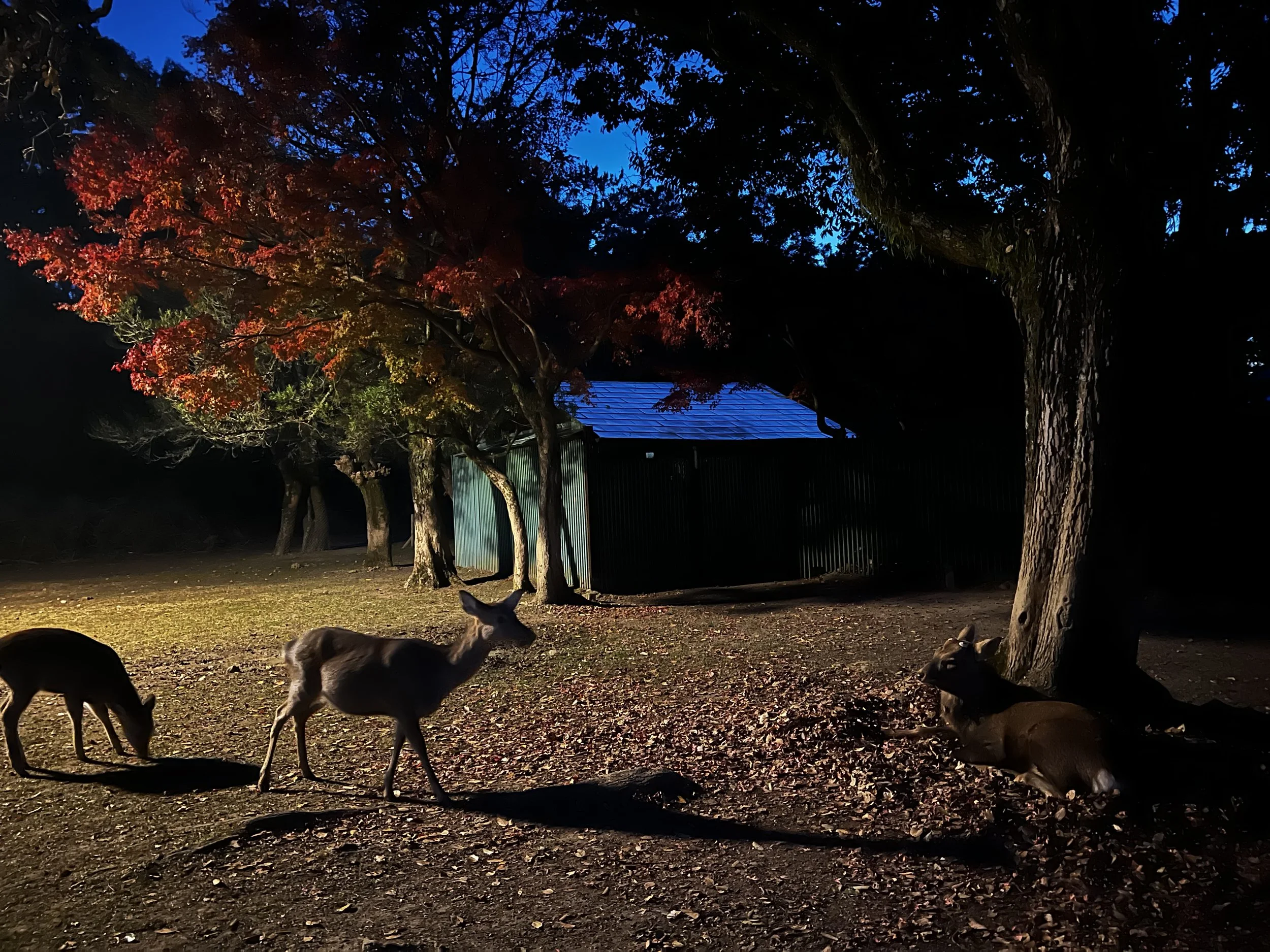
Nara Park and the Deer
Nara Park is free to enter and open at all times. The deer are present throughout the park's 660 hectares, with the highest concentration on the open lawn south of Todaiji.
Around 1,300 sika deer roam freely through the park and surrounding streets. They are designated a natural monument and have been considered sacred since the eighth century. They are also genuinely wild, and will headbutt, bite and steal food from bags if given the opportunity. Shika senbei, flat rice crackers sold by vendors throughout the park for around ¥200, are the socially accepted way to engage them.
In late afternoon the deer gather along the road near Kintetsu Nara Station, quieter than the open lawn and easier to photograph. Avoid feeding them anything other than shika senbei — it is technically illegal and causes visible distress.
Traditional Craft Experiences in Nara
The most accessible craft workshop in Nara is sumi ink-making at Kinkoen on Sanjo-dori: walk-in, 30 minutes, no booking required for groups of four or fewer. The other craft workshops listed below range from walk-in to advance booking depending on the operator.
Nara's craft traditions are a direct inheritance from its years as the imperial capital. The court required output at the highest possible standard, and the workshops that developed to supply it have, in many cases, never stopped.
Sumi ink: Nara produces around 95% of Japan's solid sumi ink. Kinkoen, a seventh-generation workshop on Sanjo-dori, runs 30-minute sessions where you press and shape a warm ink stick by hand. The result is usable and takes about 30 minutes to harden. No booking required for walk-in groups of four or fewer.
Nara fude brushes: Akashiya, near Kintetsu Nara Station, has been producing calligraphy brushes since the Meiji period and offers walk-in brush-making and calligraphy workshops.
Sake: Nara is historically credited as the birthplace of refined sake. Harushika (Imanishi Shuzo) and Imanishi Seibei Shoten, both in the Naramachi district, offer brewery tours and tasting. The Imanishi building is a registered tangible cultural property from the Edo period.
Yoshino woodworking: About an hour south by train, Yoshino has been supplying timber to temple construction projects across Japan for 500 years. The cedar and hinoki cypress grown here, in forests that are themselves designated a UNESCO World Heritage site, supply projects that include ongoing restoration work at Horyu-ji and Yakushiji. Local operators in the Yoshino area run woodworking and carpentry workshops.

Unique Things to Do in Nara: Katana, Iaido and Martial Arts Access
The katana-related experiences in Nara Prefecture are among the most distinctive things to do in Nara for travellers interested in Japanese craft and martial tradition. They are not available through booking platforms and require arrangement 4 to 6 weeks in advance.
Nara Prefecture sits outside the main tourist corridor, which has allowed it to maintain working relationships with craftsmen and martial arts masters that more visited regions have largely lost. The masters here have, in most cases, given their entire adult lives to a single practice: forging, polishing, the martial traditions of the blade. What they do is not a tourist product and it is not presented as one. Access is the result of years of relationship, not a booking platform.
At Kage Media, we work with these masters directly. Our experiences are small-group sessions, arranged through a short conversation about what draws you. The masters we work with each have their own story: read those before inquiring.
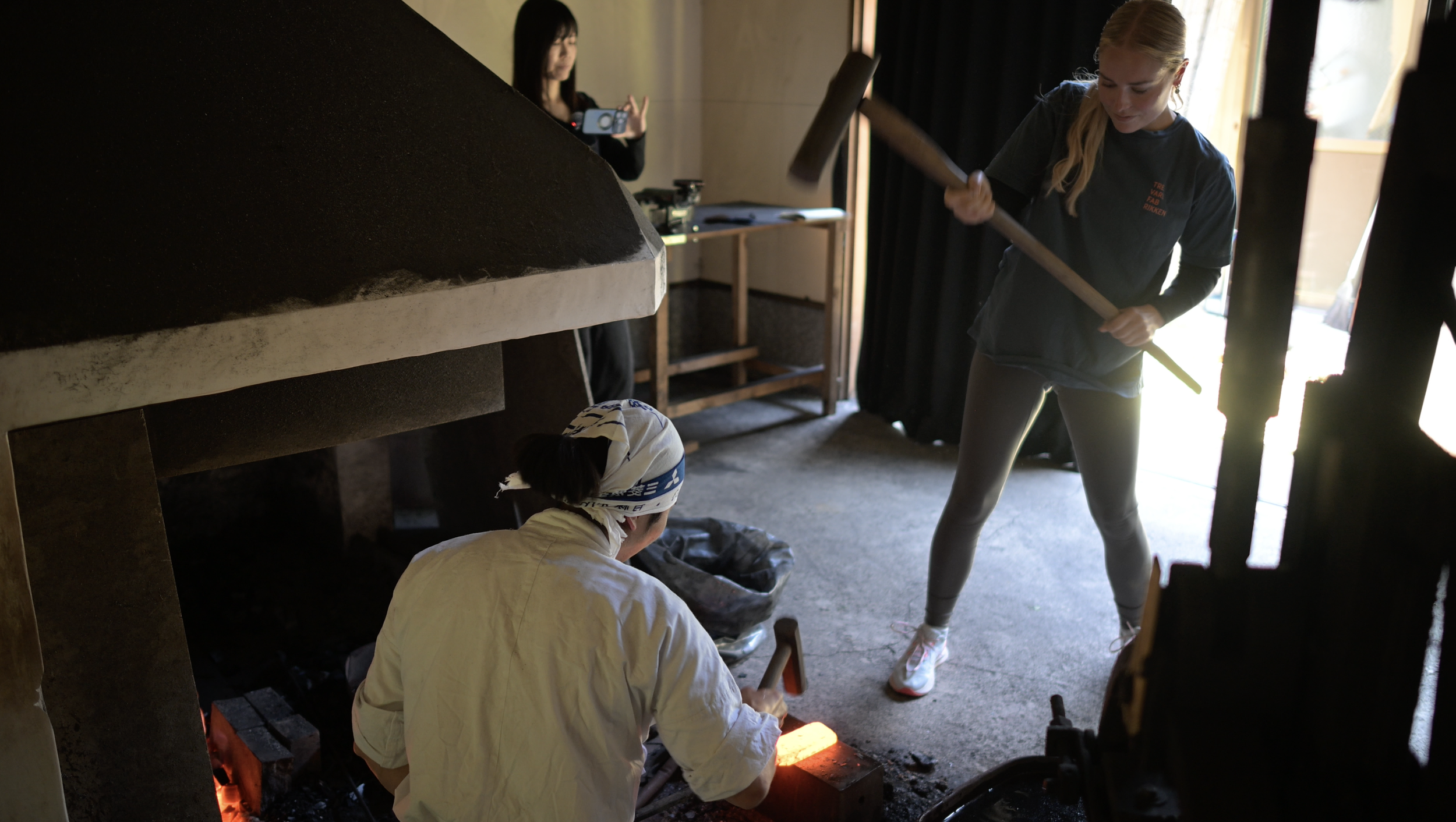
Katana Forging
The primary material of the traditional Japanese katana is tamahagane, a steel smelted from iron sand at high temperature over several days that produces metal of unusual purity and layered grain structure. Our katana forging is a full-day session at a functioning forge. The smith who leads it trained for eight years under a fifth-generation master of the Gassan school, one of Japan's most historically significant forging lineages, based in Sakurai, Nara. You handle the bellows, work the hammer, apply the clay that determines the blade's final structure. You leave with a piece of the raw tamahagane. The workshop is accessible from both Nara city and Osaka.

Katana Polishing
A blade is not finished until it has been polished. The hamon, the temper line that records the quench, only emerges through this process. Our katana polishing session is a full day alongside a master who has handled over a thousand blades across his career, including historically significant pieces from major shrines. He holds appraiser credentials and has students from outside Japan. Physically demanding posture required.
Shirasaya Carving
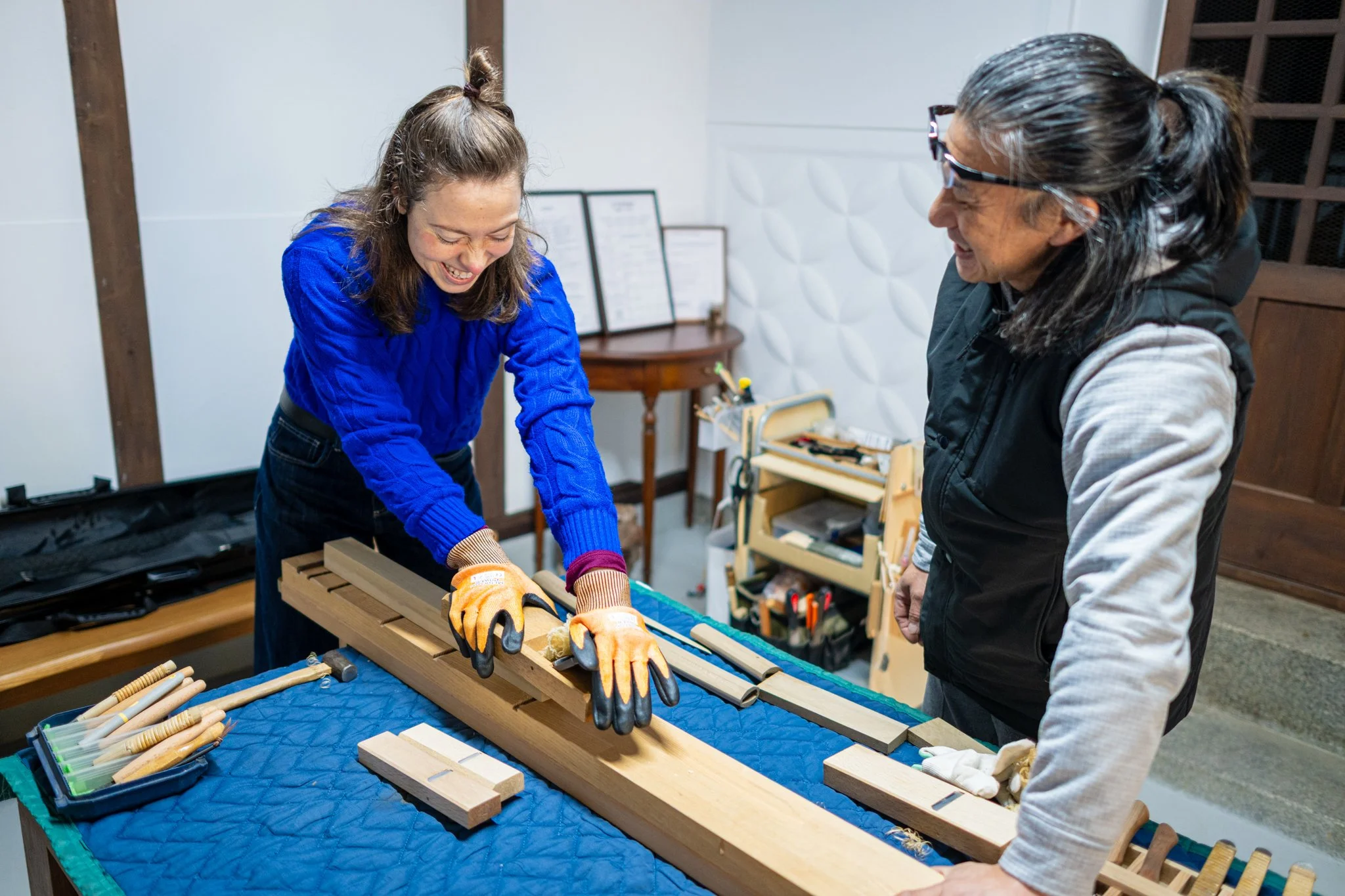
The shirasaya is the plain wooden case that houses a blade when not in active use. It is the functional inner scabbard, not the decorative outer mounting. Shirasaya carving is a 2.5-hour session at our founder's home in Nara, where the master travels to lead the session, tracing a real blade and shaping the case by hand with tools he makes himself. Sessions accommodate up to five guests and can be combined with an Iaido session on the same day.
Iaido
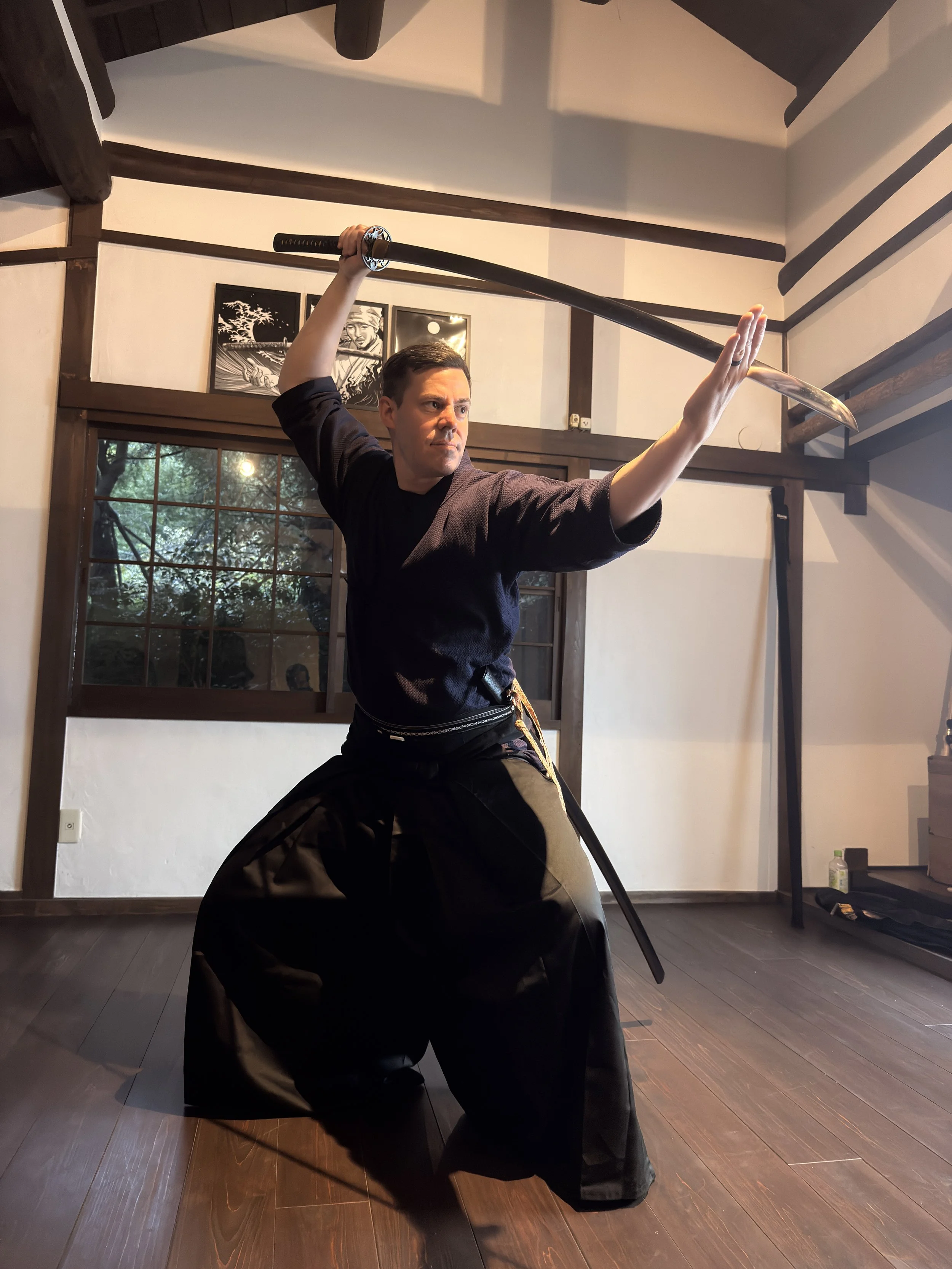
Iaido is the practice of drawing and cutting with a katana, taught as a response to a specific situation: you are seated, or walking, and a threat requires a response. The master who leads our sessions holds a seventh-dan ranking and sits on a national cultural preservation committee. He has trained students for decades. Sessions run 2.5 hours, are open to beginners, and accommodate up to 8 guests. It is the most accessible session in our programme and the most commonly combined with a Nara day.
To arrange any of these sessions, get in touch with a note on what draws you and your travel dates. Lead time is 4 to 6 weeks for confirmed availability.
Experience Duration Group size Lead time Open to beginners Katana Forging Full day Up to 4 4-6 weeks Yes Katana Polishing Full day Up to 4 4-6 weeks Yes Shirasaya Carving 2.5 hours Up to 5 4-6 weeks Yes Iaido 2.5 hours Up to 8 4-6 weeks Yes
When to Visit Nara
Nara is worth visiting year-round. The three peak periods are Yoshino cherry blossom in late March to mid-April, the Mantoro lantern festival at Kasuga Taisha in February and August, and autumn foliage through November.
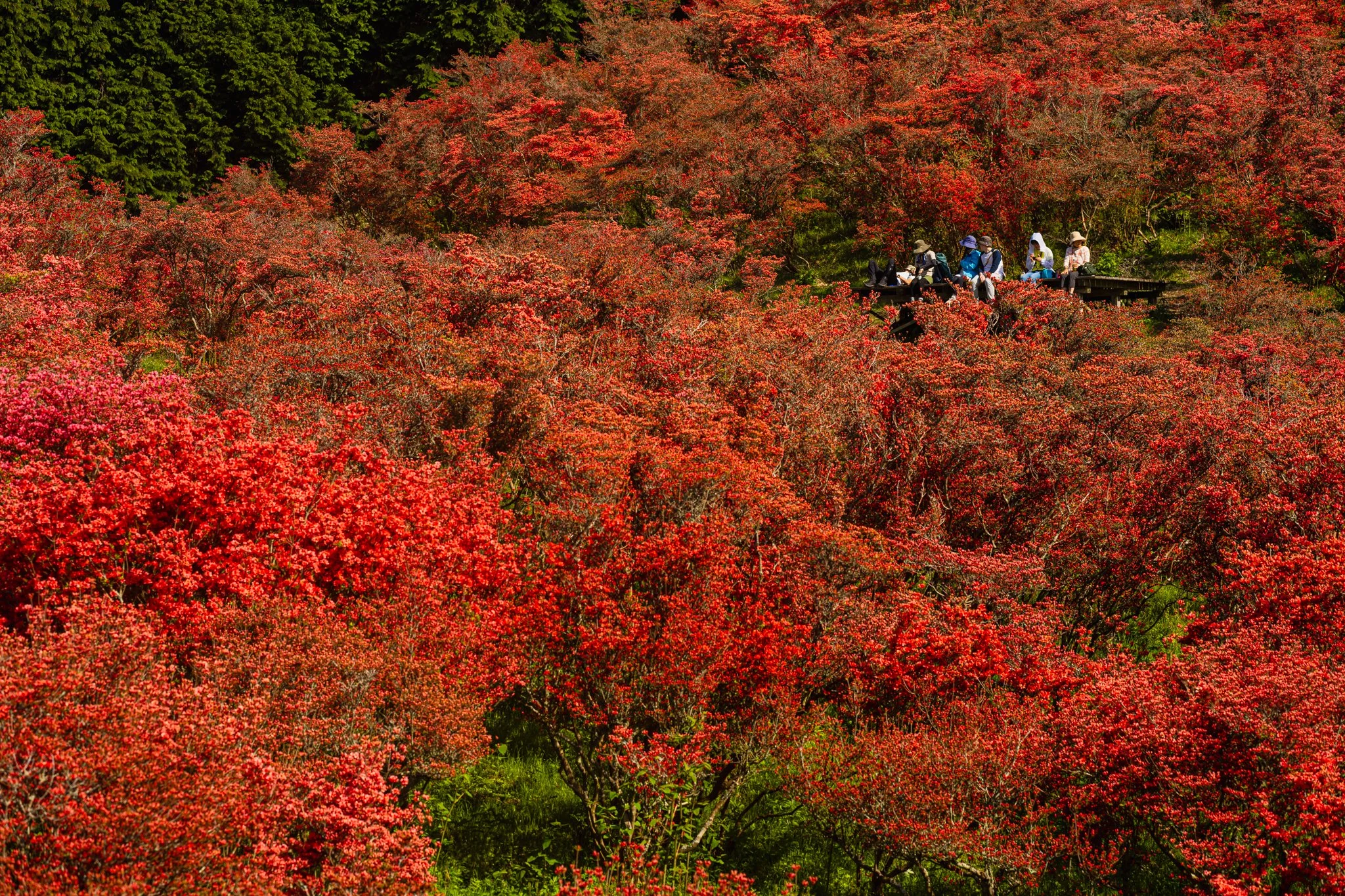
Spring (March to May): The most visited season. Cherry blossom in Yoshino peaks in late March to mid-April and draws large crowds to the mountain. Nara city itself has cherry trees in the park but the density is not comparable to Yoshino. Book accommodation and Kage Media sessions well in advance for this period.

Summer (June to August): Hot and humid. The Mantoro festival in August is worth timing a trip around: 3,000 lanterns lit at once at Kasuga Taisha is a distinct experience. Miwa somen is at its best served cold in summer.
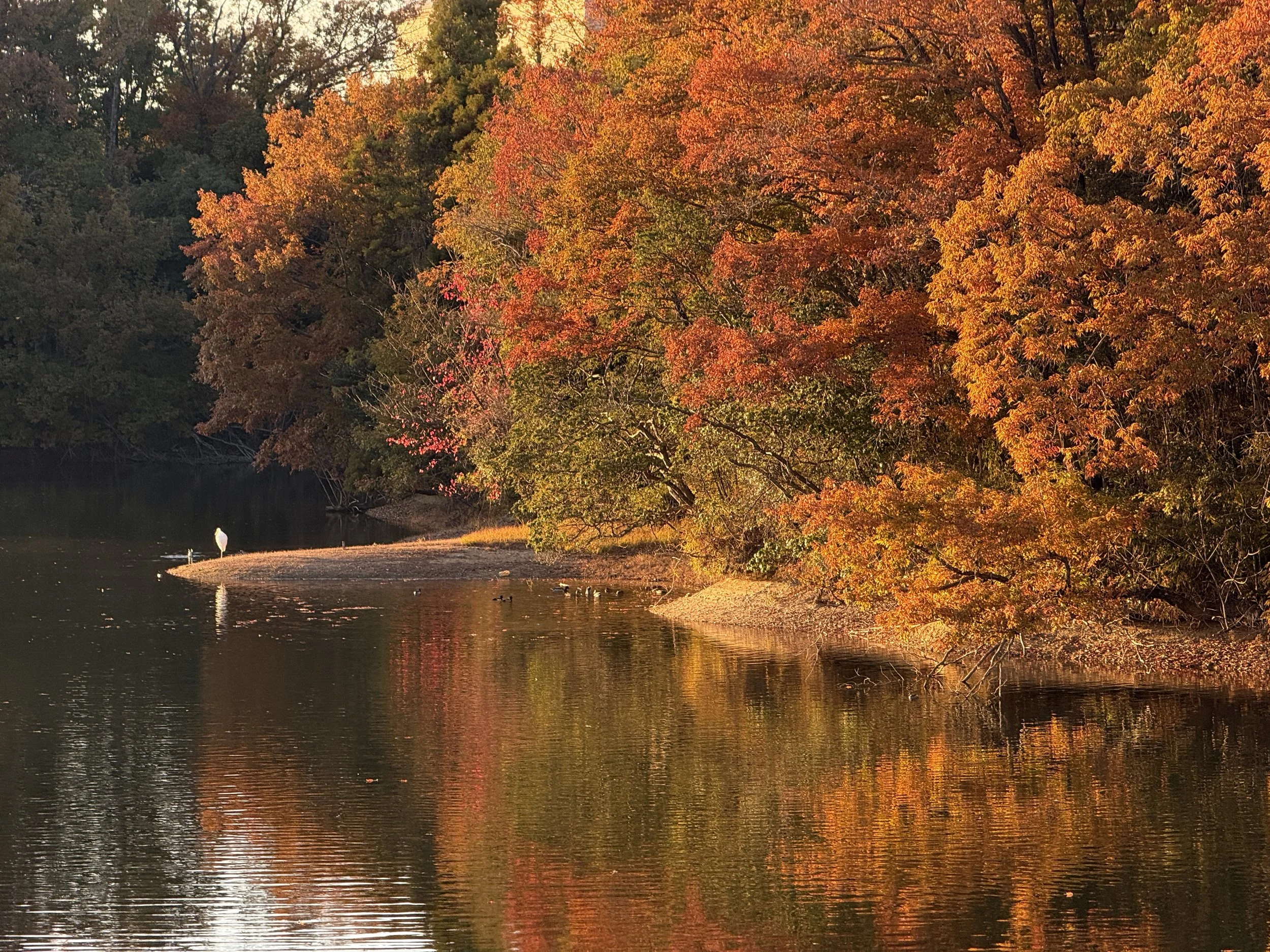
Autumn (September to November): The second peak season. Foliage colour builds through October and peaks in November. The Ishibutai in Asuka and the grounds of Todaiji are particularly good for autumn colour. Comfortable temperatures make it the best season for a full-day Kage Media experience.
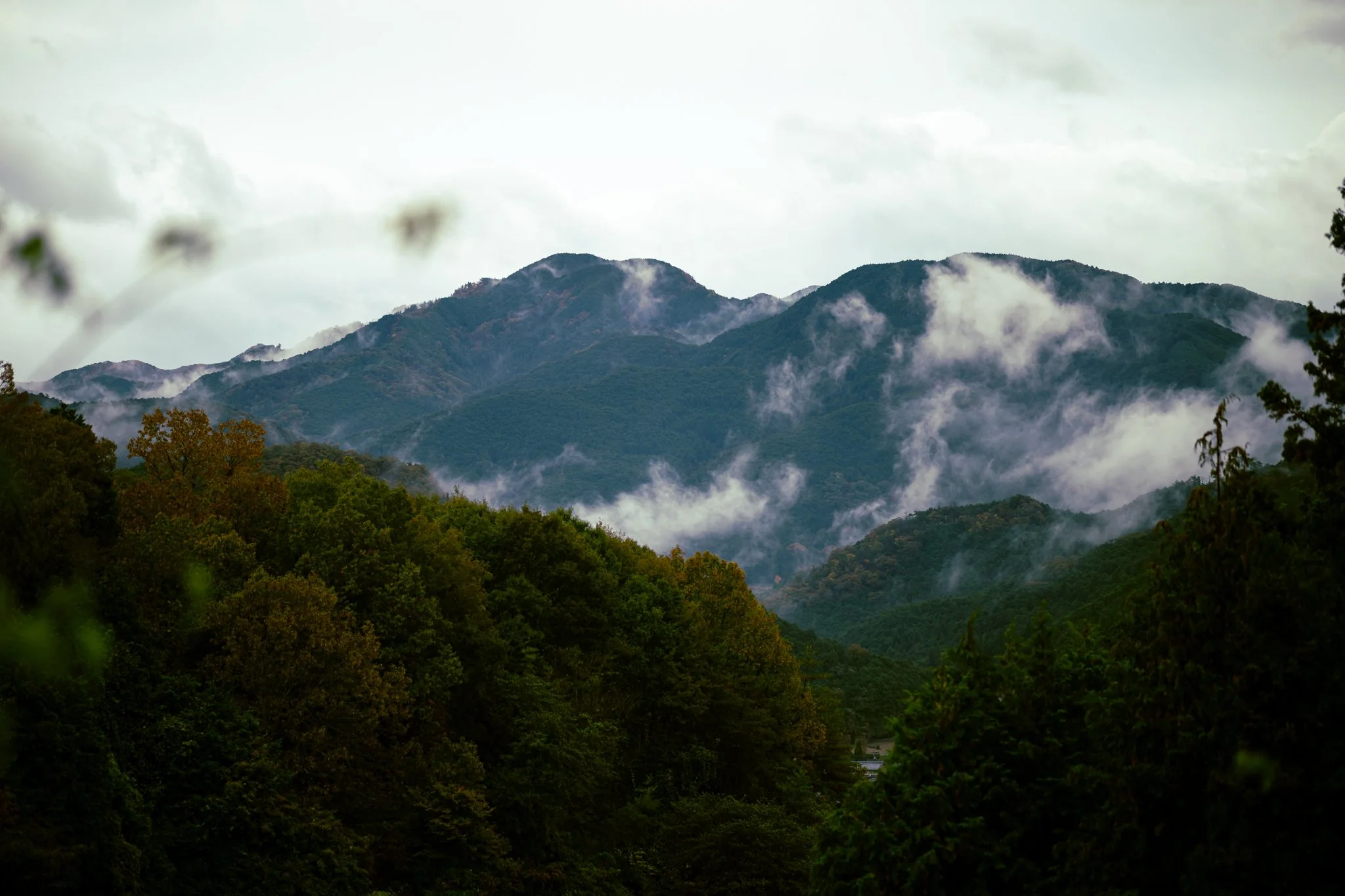
Winter (December to February): The quietest season and the easiest time to visit Todaiji and the park without crowds. The deer are present year-round. The February Mantoro festival is the main draw for a winter visit. Oomiwa Jinja in Sakurai holds a fire festival in late December.
Beyond Nara City: Day Trips Worth Taking
The three destinations worth extending your trip for are Yoshino (cherry blossom and significant temple access), Asuka (Japan's oldest imperial capital, now agricultural and largely untouched), and Imai-cho (a preserved Edo-period merchant town that most itineraries miss).
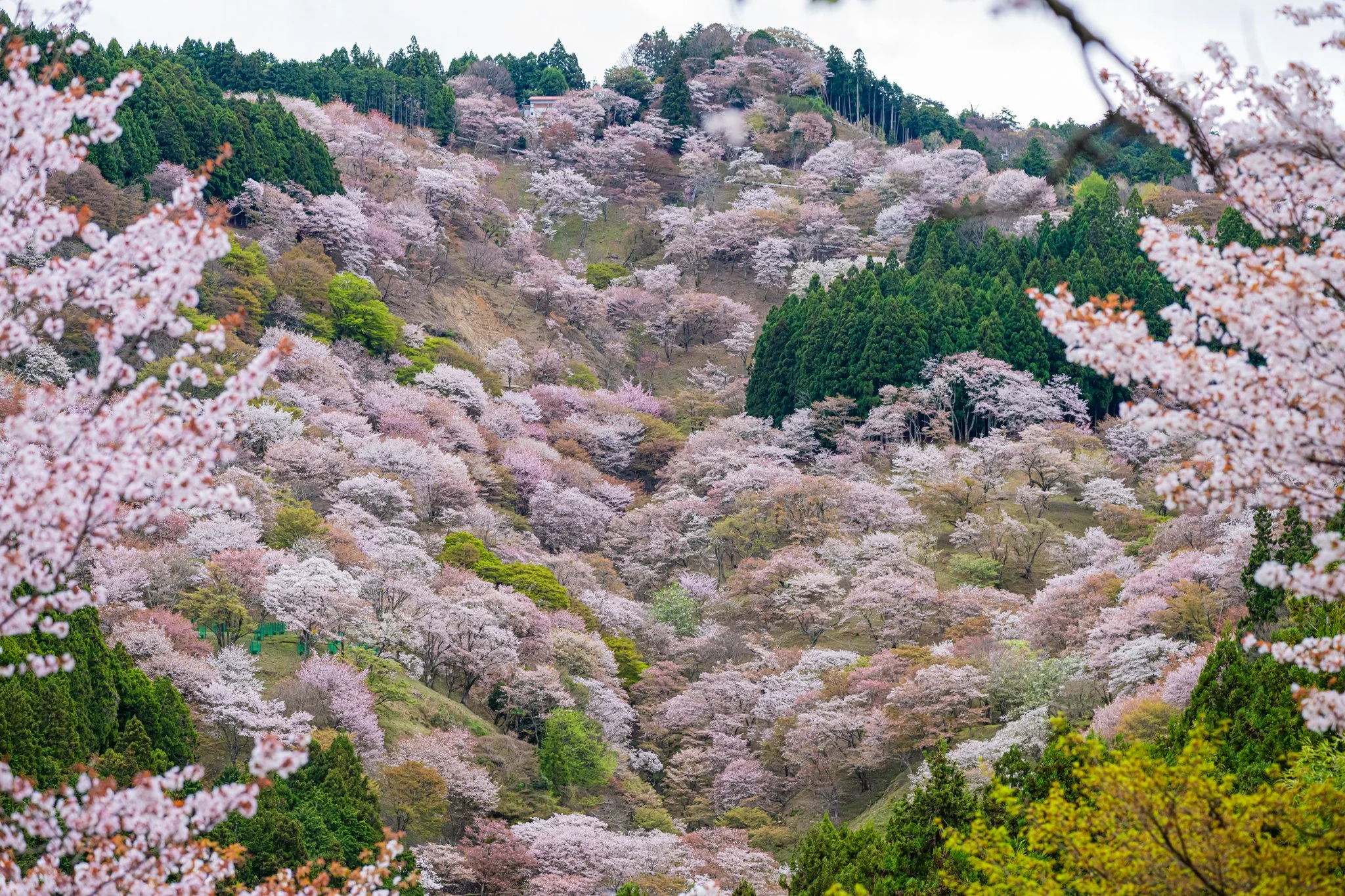
Yoshino
About an hour south by train, Yoshino is known primarily for its 30,000 cherry trees. In spring the mountain turns entirely pink as the bloom moves upward through four named groves over about two weeks. Outside cherry season it is largely visited by pilgrims. Kinpusenji Temple at the peak is one of the largest wooden structures in Japan after Todaiji, and houses a three-statue ensemble that opens to the public only on specific dates in spring and autumn.
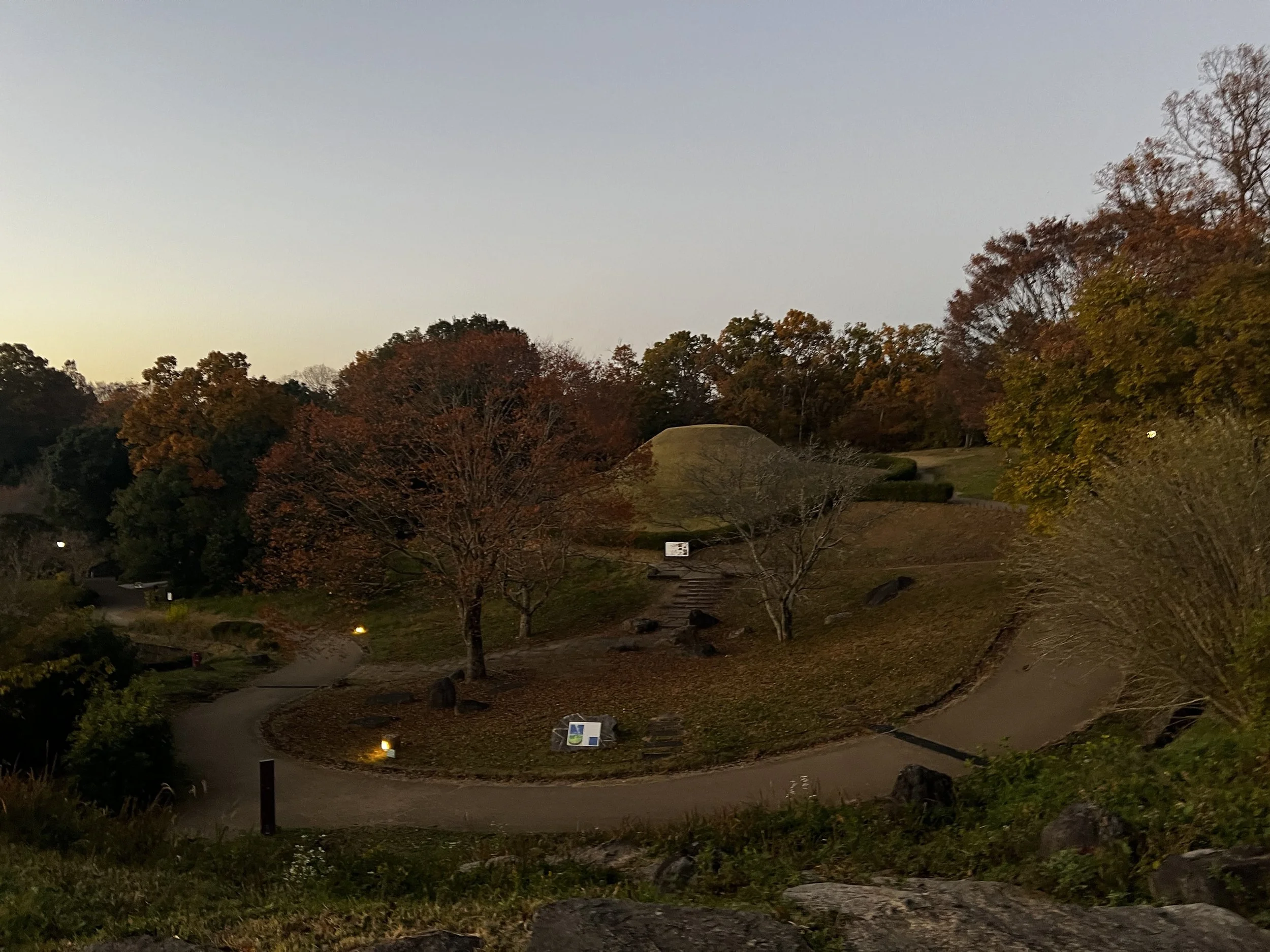
Asuka
Asuka Village predates Nara as an imperial capital and is now largely agricultural, with burial mounds, carved stones and early temples scattered across a quiet landscape. The Ishibutai Tumulus is a dismantled stone burial chamber exposed to the sky, and one of the most significant archaeological sites in Japan. The standard way to visit is by rental bicycle from Asuka Station; a half-day covers the main sites.
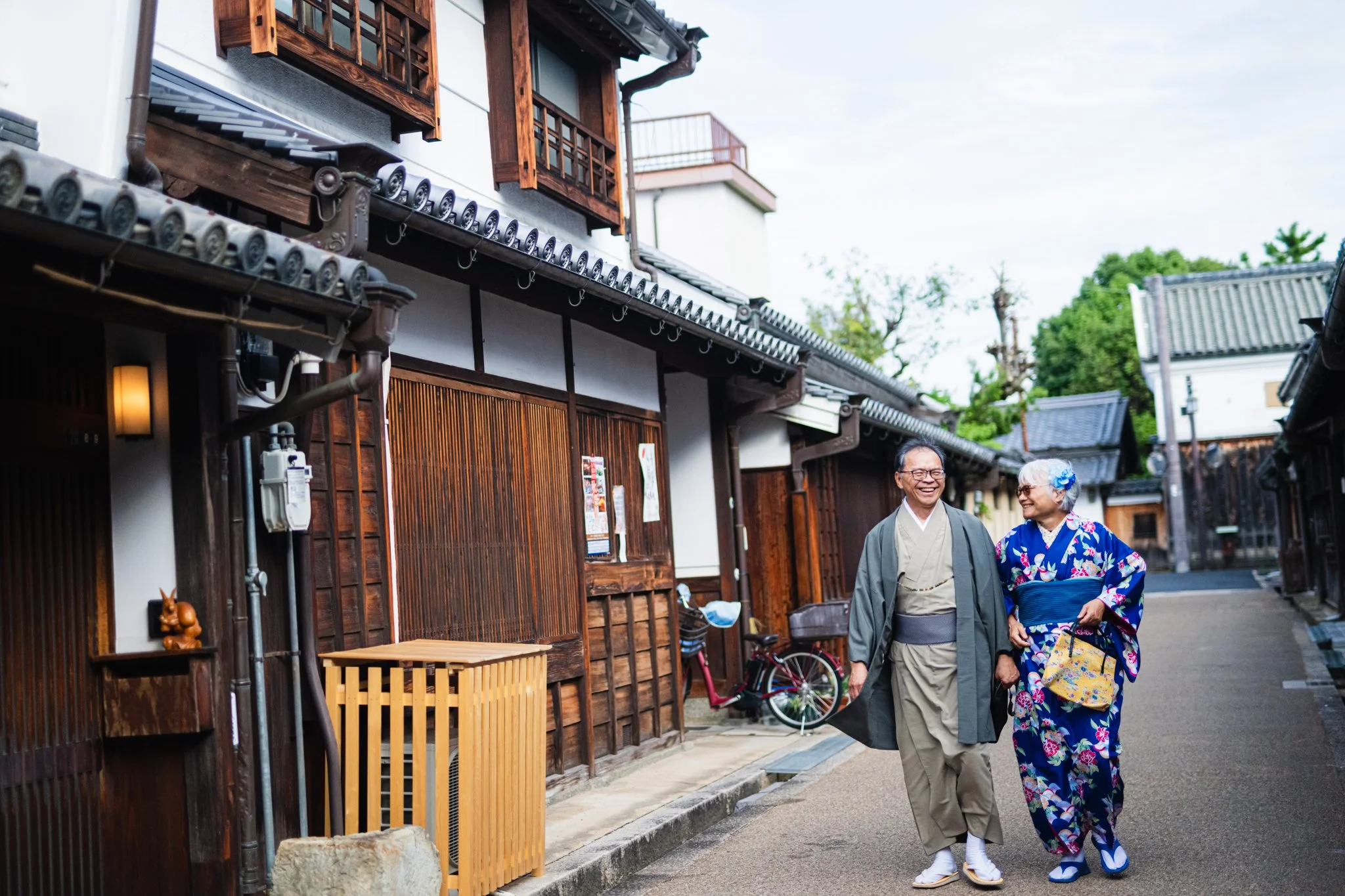
Imai-cho
Imai-cho in Kashihara City is the largest preserved Edo-period merchant town in Japan by area: around 500 traditional wooden buildings in a compact grid, with underground power lines so the streetscape is unbroken. It is a functioning neighbourhood, not a museum district. Thirty minutes by bus from Kashihara-jingumae Station.
Where to Eat in Nara
The two dishes specific to Nara are kakinoha-zushi (sushi wrapped in persimmon leaves) and Miwa somen (hand-stretched wheat noodles from the Miwa area). Both are available throughout the city centre.
Kakinoha-zushi is Nara's best-known dish: sushi pressed and wrapped in persimmon leaves, which have mild antibacterial properties and impart a faint, clean scent. Yoshino-ya on Sanjo-dori and Hiraso near Kintetsu Nara Station are both long-established. Worth buying a box to eat in the park.
Miwa somen, thin hand-stretched wheat noodles from the Miwa area of Nara, are served cold with dipping sauce in summer and in broth in winter. Produced slowly over several days and noticeably different from mass-produced somen.
Sake from Nara: both Harushika and Imanishi Seibei sell bottles directly from their breweries and many Naramachi restaurants feature the local range. Worth pairing with the somen if you are eating in the area.
Nara Day Trip from Kyoto and Osaka
A Nara day trip from Kyoto takes 35 minutes by Kintetsu Limited Express (¥720). From Osaka Namba it is 40 minutes (¥760). Both are viable day trips; a full day is more practical than a half-day, particularly if you are visiting the Nishinokyo temples or a craft workshop.
Nara day trip from Kyoto: the Kintetsu Limited Express runs directly from Kyoto Station to Kintetsu Nara Station in 35 minutes (¥720). JR takes about 45 minutes with a change at Nara Station, which is slightly further from the park. The Kintetsu line is the better option for most visitors.
Nara day trip from Osaka: from Osaka Namba, the Kintetsu Limited Express reaches Kintetsu Nara Station in 40 minutes (¥760 with the express surcharge). From Osaka Umeda, JR takes about 75 minutes via Osaka Station with a transfer at JR Nara Station.
From Tokyo: Nozomi shinkansen to Kyoto takes approximately 2 hours 20 minutes, then connect to Nara by rail. An overnight in Nara or Kyoto makes more sense than a day trip from Tokyo if the schedule allows.
From Line Time Approx. cost Kyoto Kintetsu Limited Express 35 min ¥720 Kyoto JR (via Nara Station) 45 min ¥720 Osaka Namba Kintetsu Limited Express 40 min ¥760 Osaka Umeda JR 75 min ¥820 Tokyo Shinkansen to Kyoto + rail ~3 hours ¥14,000+
How long do you need? A half-day covers Todaiji and the deer park. A full day adds Kasuga Taisha, Naramachi, the Nishinokyo temples, and one craft workshop. For a Kage Media experience, forging, polishing, or martial arts, plan a dedicated day. These sessions do not combine well with a full sightseeing itinerary. Kage Media sessions take place in Sakurai, accessible from central Nara by rail via Yamato Yagi Station.
Where to Stay in Nara
Most visitors do Nara as a day trip from Kyoto or Osaka. Staying overnight makes most sense if you are combining a Kage Media experience with sightseeing, visiting Yoshino or Asuka the following day, or travelling during a peak festival period when the early morning quiet is worth having.
The Naramachi district is the most characterful area to stay: the preserved machiya townhouses and low-rise streets are a different experience from the park area, and several guesthouses in the district are housed in renovated traditional buildings. The area around Kintetsu Nara Station has the broadest range of hotel options and the most convenient access to the park and temples.
For Kage Media sessions starting early or running to a full day, staying in Nara rather than commuting from Kyoto or Osaka removes the logistics and gives you the morning.
Frequently Asked Questions About Things to Do in Nara
Is Nara worth visiting beyond the deer park?
Yes. The deer and Todaiji are the obvious draw and worth seeing, but Nara has a depth of craft tradition and cultural access, particularly around the katana and martial arts lineages in the prefecture, that takes longer to reach and is harder to find anywhere else in Japan. If your interest goes beyond sightseeing, Nara rewards more than a half-day.
How many days do you need in Nara?
One full day covers the major sites: Todaiji, Kasuga Taisha, Nara Park, Naramachi and one or two craft workshops. Two days allows for the Nishinokyo temples, Asuka or Yoshino, and a session with Kage Media. If you are combining a Kage Media forging or polishing session with other Nara sightseeing, plan for two nights.
What is Nara famous for?
Nara is famous for its free-roaming sika deer, Todaiji Temple and its Great Buddha, and its status as Japan's first permanent capital. Less visibly, Nara produces around 95% of Japan's sumi ink, has a significant sake heritage, and is home to working craftsmen and martial arts masters in traditions that have remained intact longer here than in more visited regions.
What unique things can you do in Nara that you can't do elsewhere?
The katana-related experiences in Nara Prefecture, including forging with a smith from the Gassan lineage, polishing alongside a master who holds appraiser credentials, and Iaido with a seventh-dan instructor on a national preservation committee, are access points that do not exist as packaged tourist products. They are available through Kage Media in small groups, by arrangement.
Can groups visit Nara?
Yes. Kage Media's Iaido session accommodates up to 8 guests and is the most commonly requested group experience. Forging and polishing have smaller caps (4 to 5 guests) due to workshop constraints. For private group programs or to get in touch directly.
When is the best time to visit Nara?
Autumn (October to November) offers the most comfortable conditions and the best foliage. Spring (late March to April) is the most visited season due to Yoshino cherry blossom. Both periods require advance booking for accommodation and Kage Media sessions. Winter is the quietest time and a good option for temple visits without crowds.
Kage Media is a licensed travel company based in Nara Prefecture. We arrange small-group cultural and craft experiences with masters in katana forging, polishing, Shirasaya carving and Iaido. For inquiries: get in touch.