

Iaido
The story of the blade, taught to you by a master
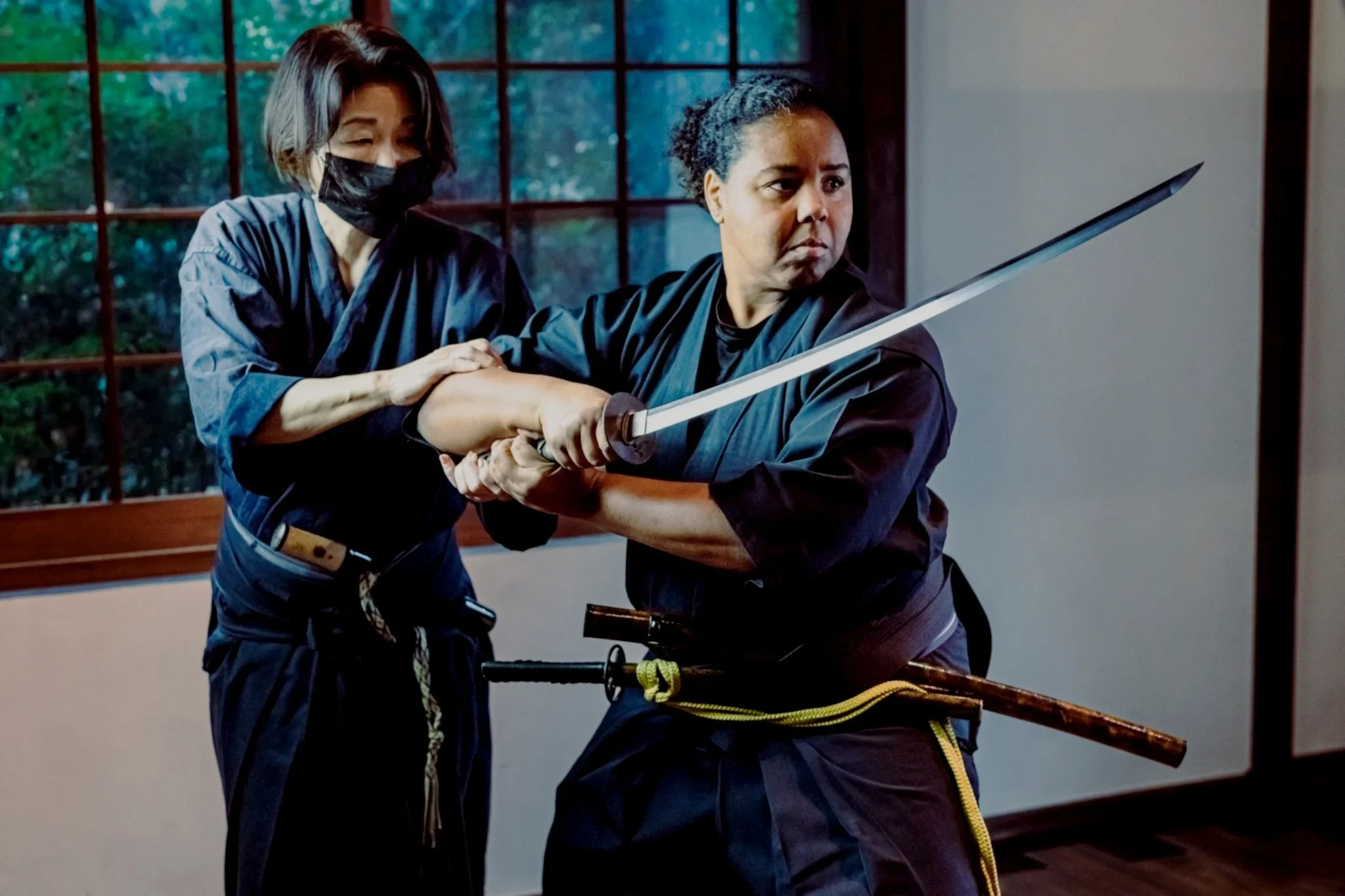
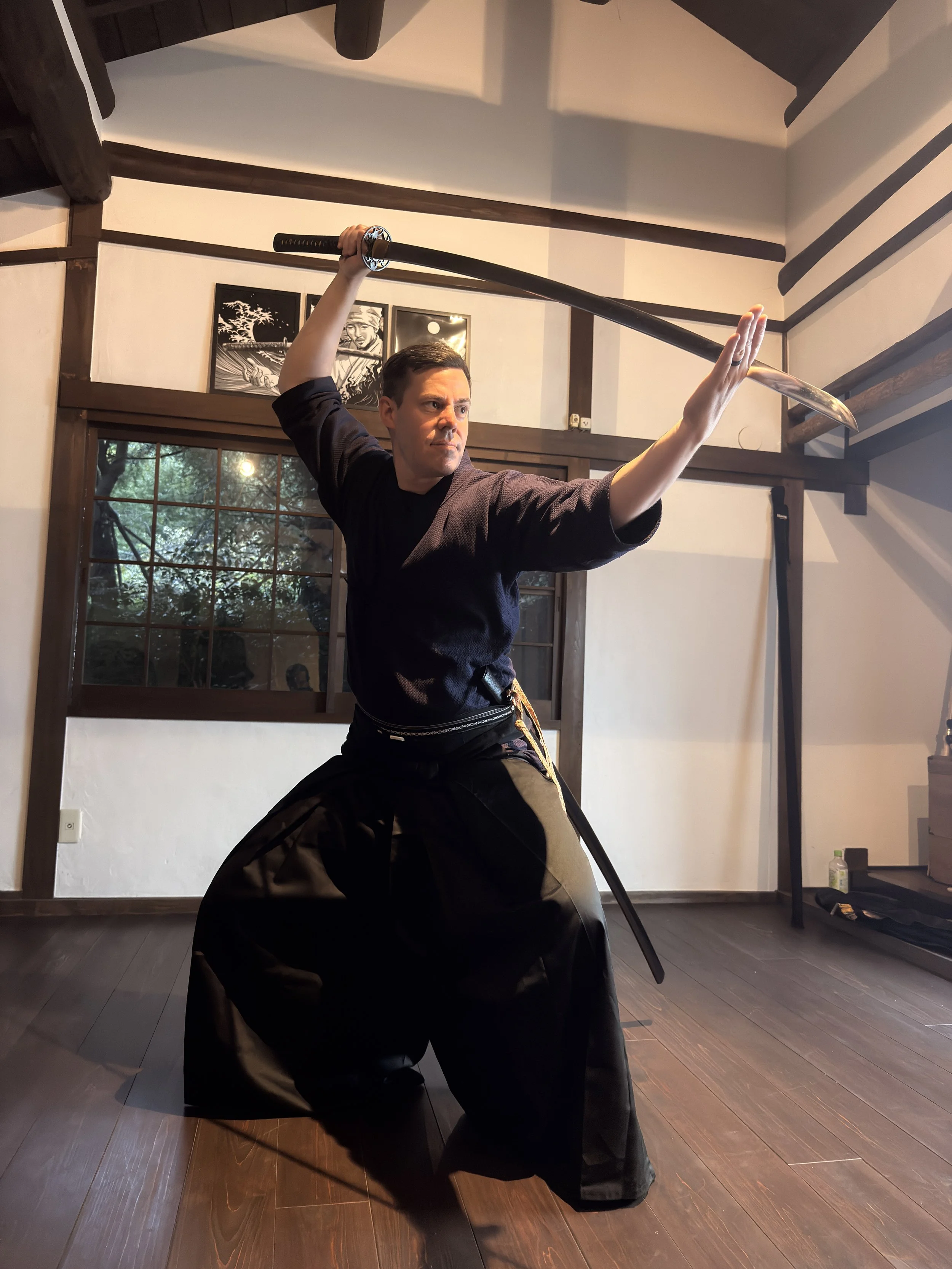
Iaido was born from Japan’s feudal era as iaijutsu, a practical training to react to surprise attacks. It can be translated as, “the way of being present,” and has since blended into a meditative practice as a symbol of discipline, preparedness, and resolve.
In every sequence, the grip, the posture, the angle of the draw, has been shaped over centuries of practice. Even in the bows of respect, placement of your body and the katana is meaningful. Nothing is arbitrary.
The session begins with the master educating and demonstrating the background and techniques you will learn, and you will then try under their guidance.
This practice has been passed between teachers and students in Japan for centuries. Our teachers have decade of study in this one discipline. The authenticity of their lineages incredibly unique and authoritative. You will have the opportunity to learn history, philosophy and story-driven meanings behind each movement, not only the form.
The session is built for people encountering this for the first time. The master calibrates pace and depth to the group.
Note:
We are able to offer experienced students higher level Iaido classes and Kenjutsu.
What to know

Iaido accommodates larger groups and works well as an introduction to what Kage offers.
Your Masters
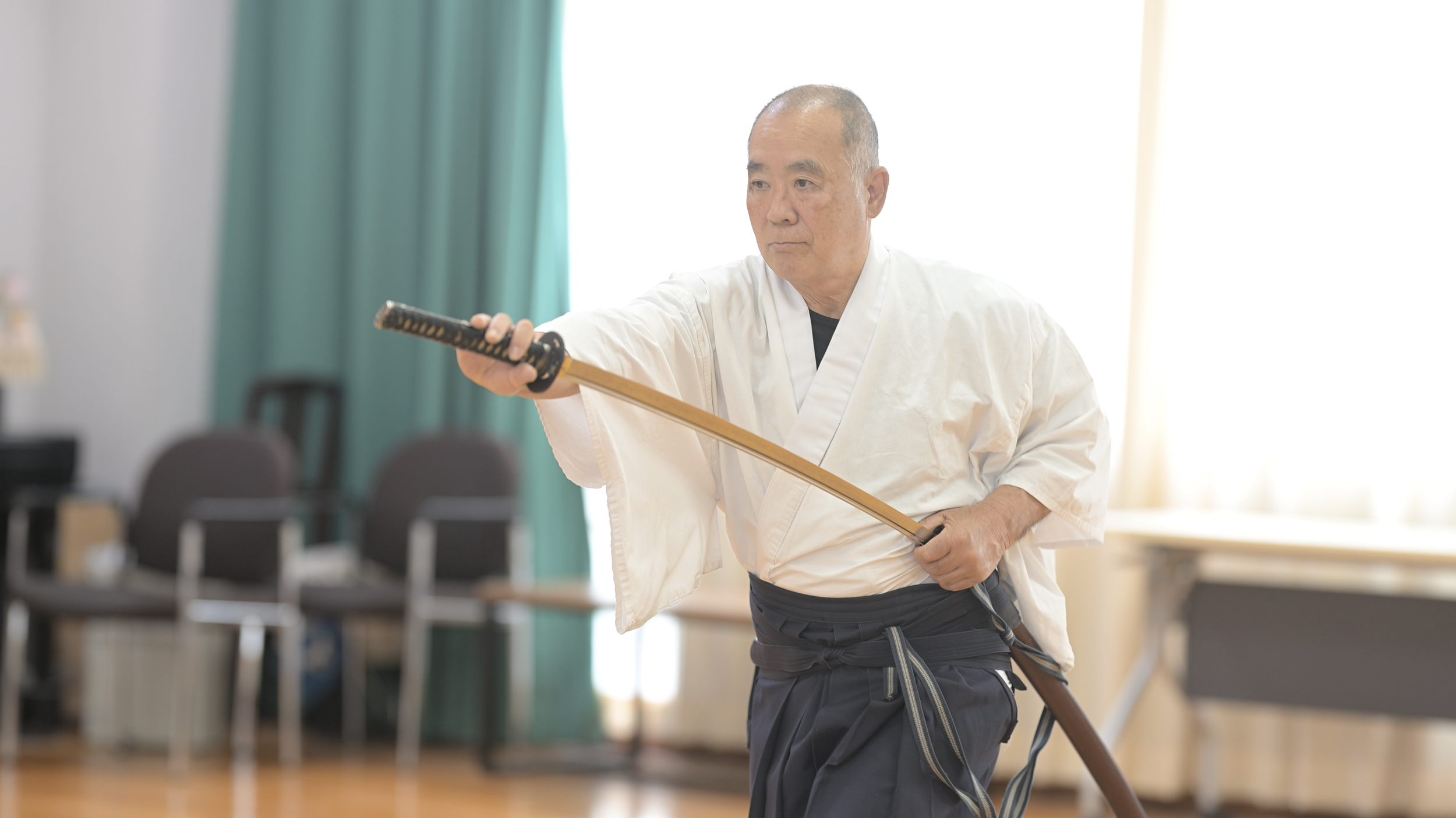
Yonekawa Sensei is a licensed instructor of Japanese swordsmanship and the head of Aikido Manyo-juku in Imai-cho, Kashihara, Nara — a historic temple town recognized as a Japanese Heritage site.
He first came to martial arts through karate and kenpo, then studied Muso Jikiden Eishin-ryu iaido under Ikeda Sensei, the 22nd headmaster of that classical school. He later trained in aikido under Watanabe Nobuyuki of the Aikikai Hombu Dojo. In 1983 he opened Manyo-juku, and he has taught there ever since.
He holds 7th dan in the Aikikai Foundation. He serves as chairman of the Mie Aikikai Federation and as a standing director of the Nara Aikikai Federation.
He teaches iaido and aikido as related disciplines of posture, timing, and courtesy rather than contest. The work is to refine the body and the mind together, to keep etiquette exact, and to train without display.
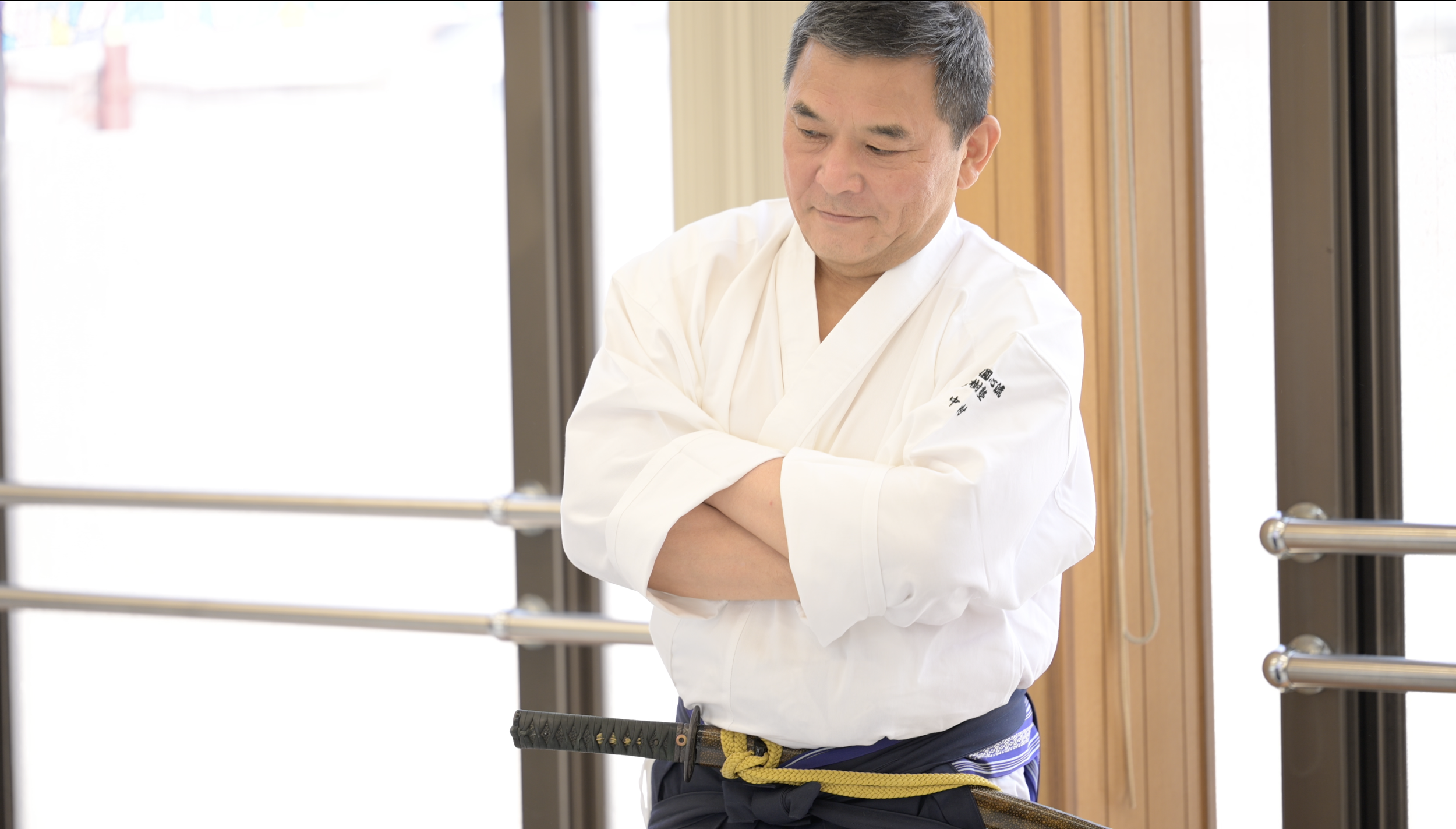
Nakamura Sensei is the most senior disciple of the late Sōke Fumon Tanaka, a respected multi-sōke (grandmaster) of several classical Japanese martial arts.
He is the denshōsha (inheritor and transmitter) of each tradition, holding menkyo kaiden (complete transmission) and the position of shike in:
Kukishin-ryū
Sōden Kukamishin-ryū
Enshin-ryū
Koden Enshin-ryū
He continues to preserve and teach these arts exactly as they were passed to him and training is offered in the classical Enshin-ryū tradition and related koryū.
A brief history of the traditions
Kukishin-ryū and Sōden Kukamishin-ryū are classical composite arts of sword, staff, and related weapons, transmitted as koryū (old schools). Their public histories are often mixed with other lineages of similar name; the instructor teaches the transmission he received, not a generalized internet version of the school.
Enshin-ryū and Koden Enshin-ryū are traditionally dated to the Sengoku period, around the reign of Emperor Ōgimachi (mid-to-late 1500s). Early authorities associated with the art include Hayami Nagato-no-kami Enshin, a hokumen-no-bushi (imperial palace guard), and Inugami Nagakatsu of Ōmi. The school developed armed grappling (kumiuchi) together with swordsmanship and, in later transmission, iai and the greatsword.