
Katana Forging
A day at the forge, working from raw ore.
Tamahagane is a steel made from sand iron, smelted at high temperature over several days only once a year. It is the foundational material of the Japanese katana.
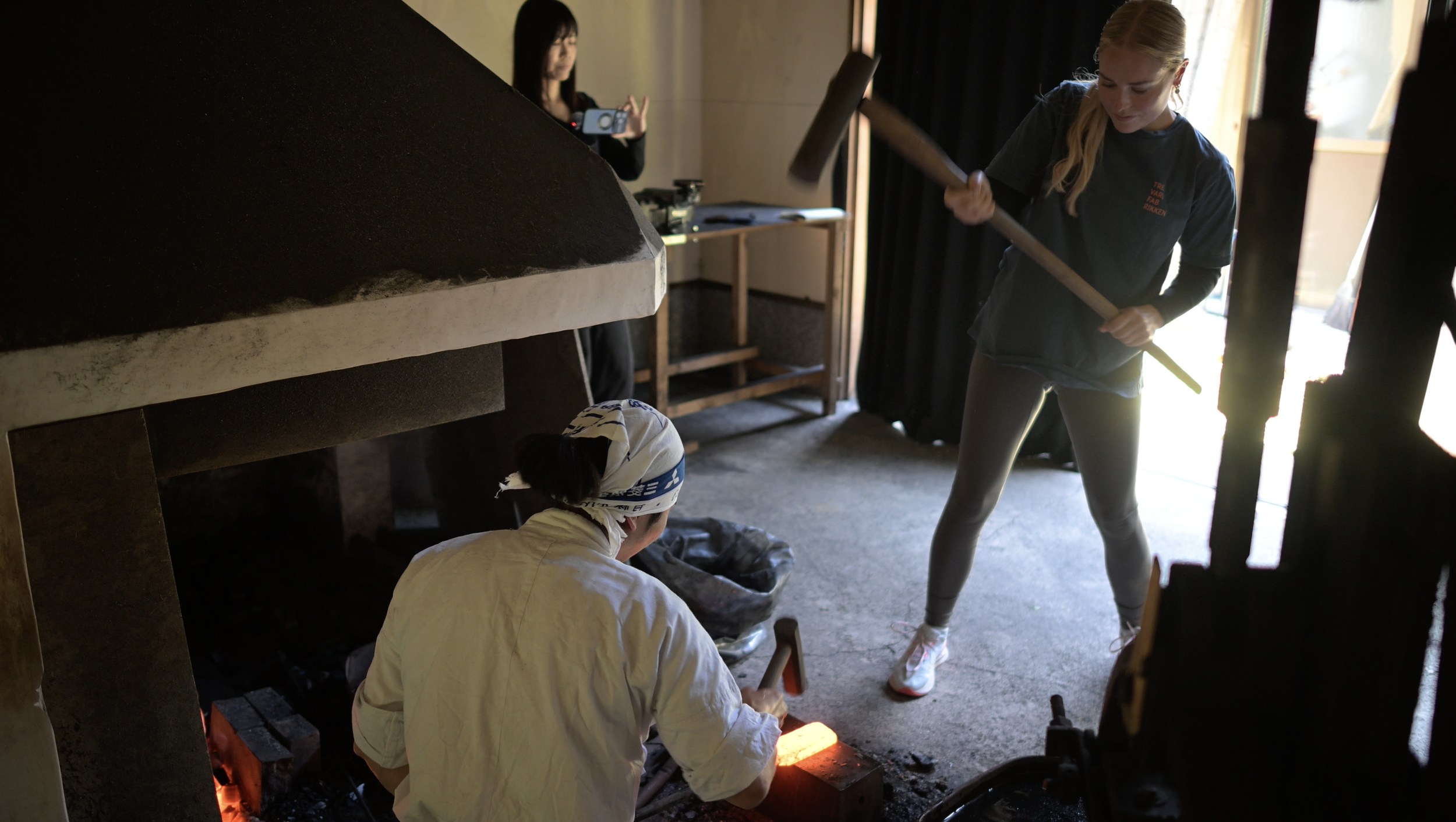
You will be in the mountains, in one of the rare, still functioning katana forges, in the room while the work happens. You handle the bellows, work the hammer, and apply the clay that will determine the blade's final structure.
A single finished katana requires weeks to months at the hands of several craftsmen to complete. Before the session ends, you’ll have a deeper understanding of the process, and you may even be able to commission a blade of your own. See what this material becomes in the hands of someone who has given their working life to knowing it. You take home a piece of this legendary, raw steel.
What to know
This session books in small groups and fills quickly

Your Master
* Gassan Sadakichi laid the foundation for Osaka Gassan, following him was Gassan Sadakazu, Gassan Sadakatsu, the Gassan Sadakazu II, Gassan Sadatoshi, and Gassan Sadanobu.
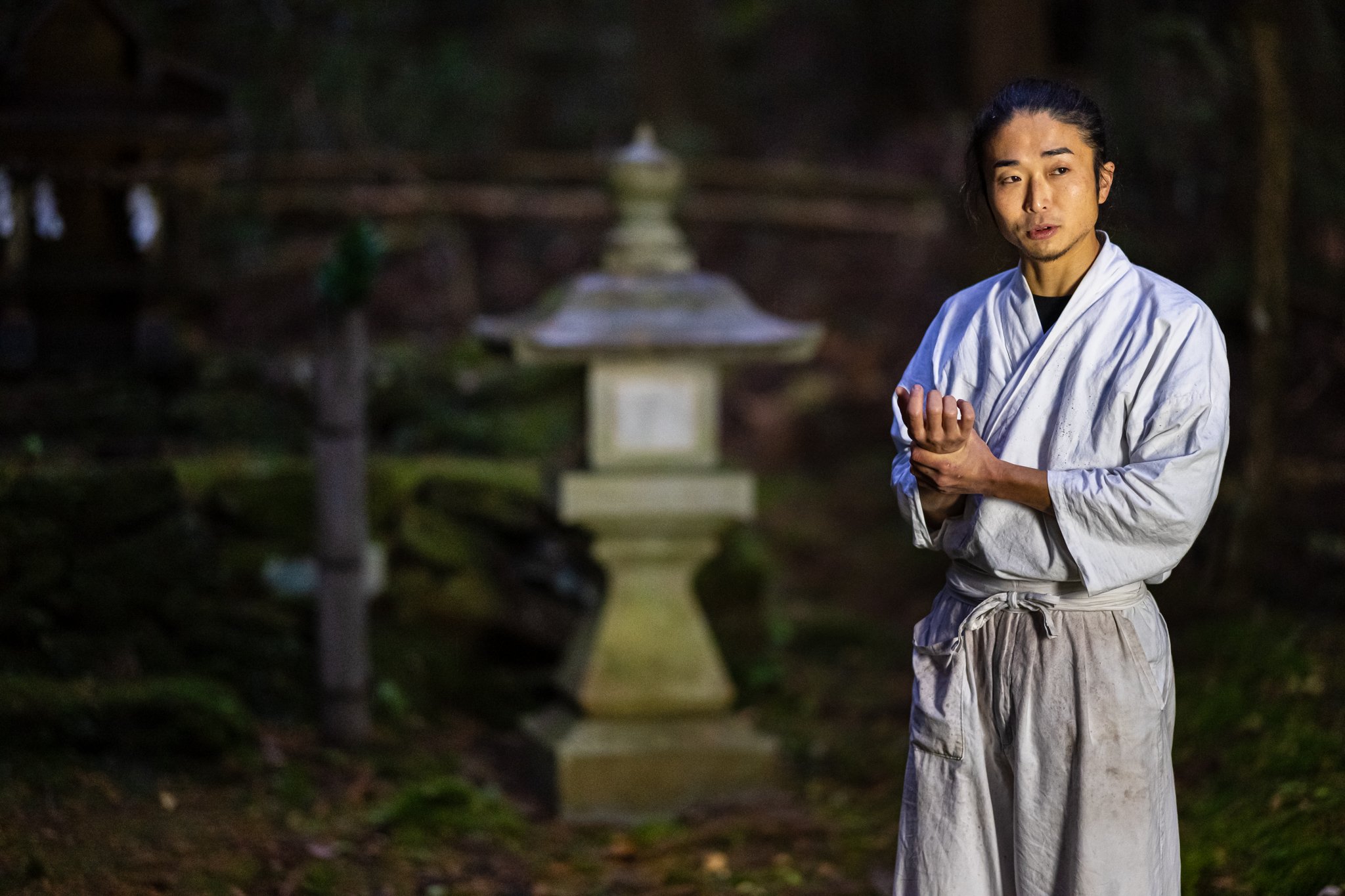
Hamakawa Sensei is a licensed Japanese swordsmith and member of the All Japan Swordsmith Association.
He finished his long apprenticeship under Gassan Sadatoshi of Nara — fifth generation of the Osaka Gassan line, and son of Living National Treasure Gassan Sadaichi II.*
The training lasted eight years, to meet the standards of a house that regards its transmission as never broken: from the old Gassan smiths of Dewa, through the Osaka generations, and down to the present. The Gassan family begins well before the Meiji ban on wearing swords, and it is widely treated as one of the principal living lines of Japanese sword-making, known especially for the distinctive ayasugi-hada of the Gassan tradition.
Hamakawa Sensei received approval from the Agency for Cultural Affairs to produce art swords in 2010, became independent in 2013, and was awarded the Newcomer Prize in the blade section of the 3rd New Japanese Swords and Swordsmith Crafts Exhibition, organized by the Japan Art Sword Culture Promotion Association. A blade of his is exhibited at the Kudoyama Sanada Museum in Wakayama.
Today Hamakawa Sensei continues to work with traditional methods and traditional materials, and makes blades to order rather than in quantity.
To be received here is to watch that work at close range, under a smith who learned from one of Japan’s most historic lines.